
The use of AI is continuously expanding in different domains and is radically changing how people interact with digital environments. In the case of AI assistants, there has been a trend to concentrate on making conversations with AI assistants as natural as possible, in particular, through the use of voice, and/or real time conversations, as well as animated digital characters.
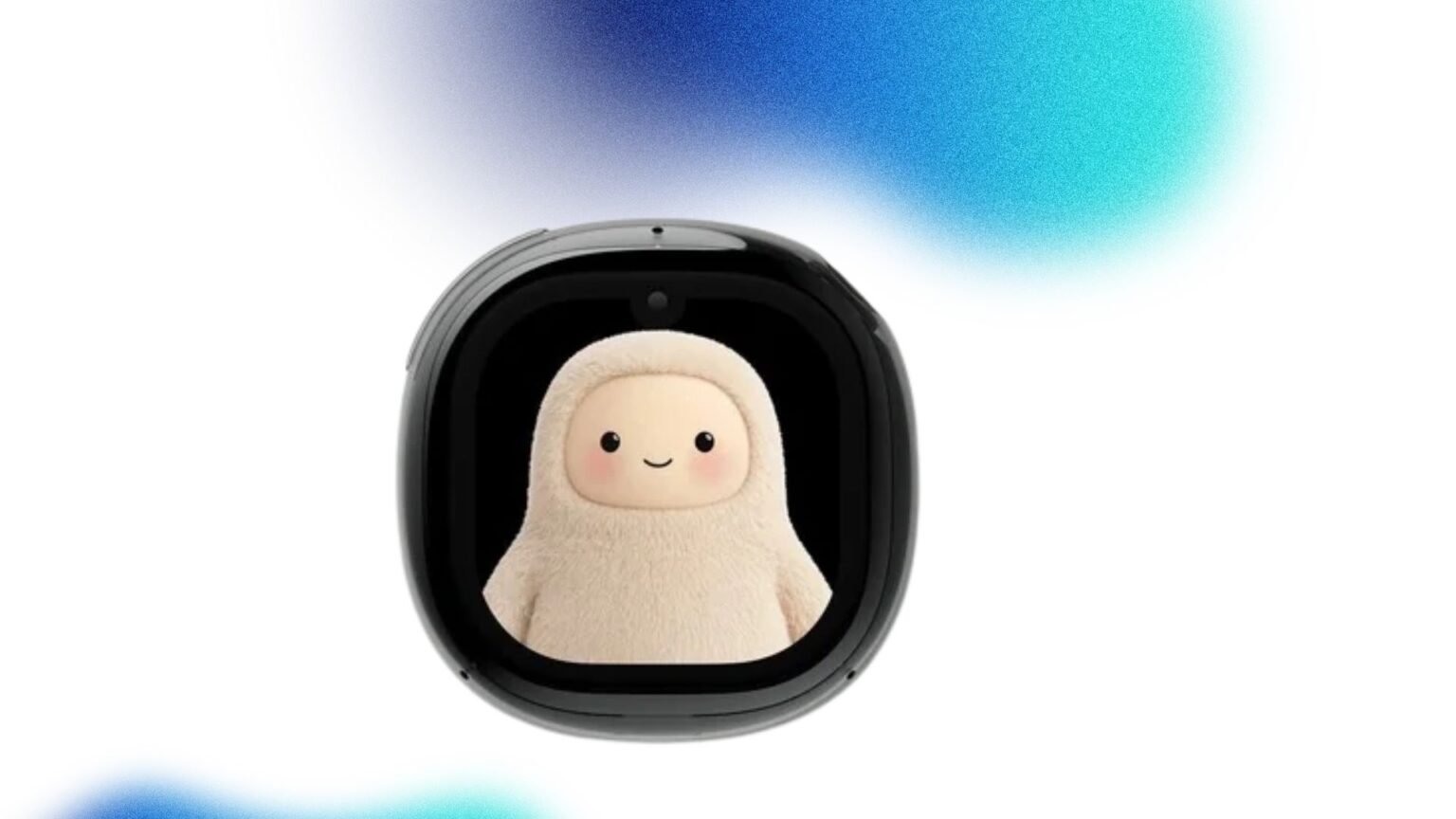
Meta recently added voice mode to its Muse AI agent, making it possible for users to engage with their AI assistants through voice conversations. The feature incorporates a set of 3D animated avatars, which are capable of expressing facial animation while engaged in a voice conversation.
Mark Zuckerberg, Meta CEO, announced the feature and expanded on the company’s initiatives aimed at enhancing its AI assistants to engage and interact with users across its digital ecosystem.
What is Meta’s New Muse AI Voice Mode?
Meta’s Muse mode allows for spoken conversation with AI agents, as opposed to solely text conversation.
The feature includes real-time voice interaction, so users can freely ask questions and give commands, similar to natural, real-time conversation.
Probably the most conspicuous feature of the mode is its accompaniment with a digital animated avatar. As the AI Agent speaks, the avatar animates and lips sync to the words.
This creates the impression that a digital character is conversing with the user and makes the mode feel less like a conventional text chat.
Also, the feature offers users the opportunity to modify the personality and voice of their AI agents. Users simply have to instruct the agent to modify its voice to a preference, or explore available voice options, through the avatar settings.
This offers users a higher level of control to modify how their AI assistants sound and look.
Interactive Conversations with Muse’s New Expressive Avatars
As part of the Muse update, a feature with expressive avatars was released.
While traditional AI chatbots respond to user inputs in a text-based format, Muse creates digital characters that animate responses in addition to vocalizing them.
The digital characters are programmed to sync movements with the AI-generated vocal responses, making for a more interactive experience.
Users are given a certain level of freedom when choosing their digital character, and can modify their selection to a friendlier demeanor, more realistic appearance, or something else.
Depending on the degree to which the AI digitizes a person, it can make the experience feel strange or uncomfortable. Expressive avatars help make AI assistants more human-like in communication.
Users can Customize the Voice of their AI Agent
Another feature of Meta’s Muse voice mode is the ability to customize the voice of the AI agent.
Users can pick from a wide selection of voice options available in the avatar settings.
This also means that users don’t have to stick with the default AI voice.
Different users can customize their agents to speak with various tones and styles that best suits their preferences and situation.
For casual conversations, a more friendly and informal voice can work great. While, for a more formal conversation, a more professional voice can work great.
The AI agent can determine the style of voice that most suited for each situation based on user’s preferences.
In general, this can help Meta’s AI assistants appealing to a broader audience and further adapt to different requirements and scenarios.
How Does Muse Perform During Voice Conversations?
Muse was quick to respond during the voice conversations that we tested.
The Muse AI is programmed in such a way that users can speak freely and are not required to type out questions to receive spoken responses.
However, the AI agent may take pauses while waiting for information to be retrieved.
This is similar to text-based AI assistants, who may take additional time to process more complicated requests, or to find information.
The animated avatar responds while speaking, thereby creating a more “alive” conversational experience.
Although it is still in an early stage, development in this direction will for sure take AI assistants’ utility a step higher for the people who do not want to interact with the assistants via text.
It may help people with disabilities who prefer using their voice rather than type commands to interact with AI assistants.
Meta Wants to Put Muse Voice Mode in Its AI Glasses
Meta is not planning to restrict its AI voice technology to mobile apps.
The company says it will bring Muse voice mode to its AI glasses.
Voice-activated AI will be more practical if users are not tied to communicating with their digital assistants through their smartphones.
Smart glasses with AI features are a growing area of competition among big tech companies.
By implementing voice assistants to its wearable gadgets, Meta aims to provide AI to users in many of their daily activities, including, walking, commuting, shopping and accessing and receiving information.
The company says the technology will debut first in its Muse Charm gadget expected to hit the market in 2026. With this move, Meta wants to expand its AI ecosystem beyond mobile apps.
How Meta Is Competing in the AI Assistant Market
Meta’s introduction of Muse voice mode is a move to expand its reach in the overall artificial intelligence market.
To win the AI assistant market, big tech firms are investing in Voice tech and other advanced conversational experiences.
Note that advanced interactions in some AI assistants such as ChatGPT or Bing allow users to converse with AI assistants using speech.
In the same manner, Meta is heavily investing to allow users interact with personalized digital characters using voice.
This strategy will let them evaluate users’ preference and enhance their AI experience going forward.
The main goal for Meta is to avoid a situation where users’ only interaction with the AI experience is to type questions and receive a response, and instead use an assistant that will allow a fuller, natural conversation using speech.
The AI competition is shifting away from rudimentary chatbots to virtual assistants and agents that can communicate and comprehend users’ needs and preferences, and further help with regular activities.
What Does This Mean for the Future of AI?
The arrival of voice mode and expressive avatars points to a few important trends in AI.
- More Natural Communication: Voice mode removes the barrier of having to type questions to talk to your AI assistant, and instead lets you have a natural conversation.
- Choice and Freedom: Users get to customize their AI assistants based on their preferences with voice mode and choice of avatars.
- Human-Like Interactions: Expressive avatars lead to more natural and visually stimulating conversations with AI.
- Expanding Wearable AI: With the integration with smart glasses, AI assistants won’t need to rely on a smartphone for access.
- Enhanced Market Competition: The increasing competition in the market for AI assistants and conversational technology expands with every company focused in this area.
More interactive AI assistants will be the norm in our daily lives in the near future.
Conclusion
Meta’s development of voice mode for its Muse AI agent continues its momentum in advancing conversational AI.
With real-time voice conversations and expressive animated avatars, Meta aims to make interactions with AI assistants more interesting and engaging.
The company’s efforts to further Muse technology to AI glasses and its forthcoming Muse Charm accessory illustrates its commitment to extend AI beyond the smartphone and into other wearable devices.
As competition from ChatGPT, Google Gemini, and other AI platforms increases, the future of AI assistants will depend on how naturally AI agents converse with people, in addition to how intelligently they respond.