

Microsoft Unveils Project Solara: A New Operating System Built for AI Agent Devices
Microsoft has unveiled a new operating system called Project Solara, specifically for the next generation of AI-powered devices. Project Solara is another initiative announced at the company’s developer Build 2026 conference, marking Microsoft’s next step toward becoming the hub of the new AI hardware landscape.
Project Solara is not a Windows-based platform as is Microsoft’s traditional software systems. Rather, it is designed using Android and created from the ground up to work with devices that heavily rely on AI agents. The platform is an operating system designed to support “agent-driven experiences”, as Microsoft puts it, which means it’s not just about hardware that can do intelligent things, it’s about hardware that does them in an unobtrusive way.
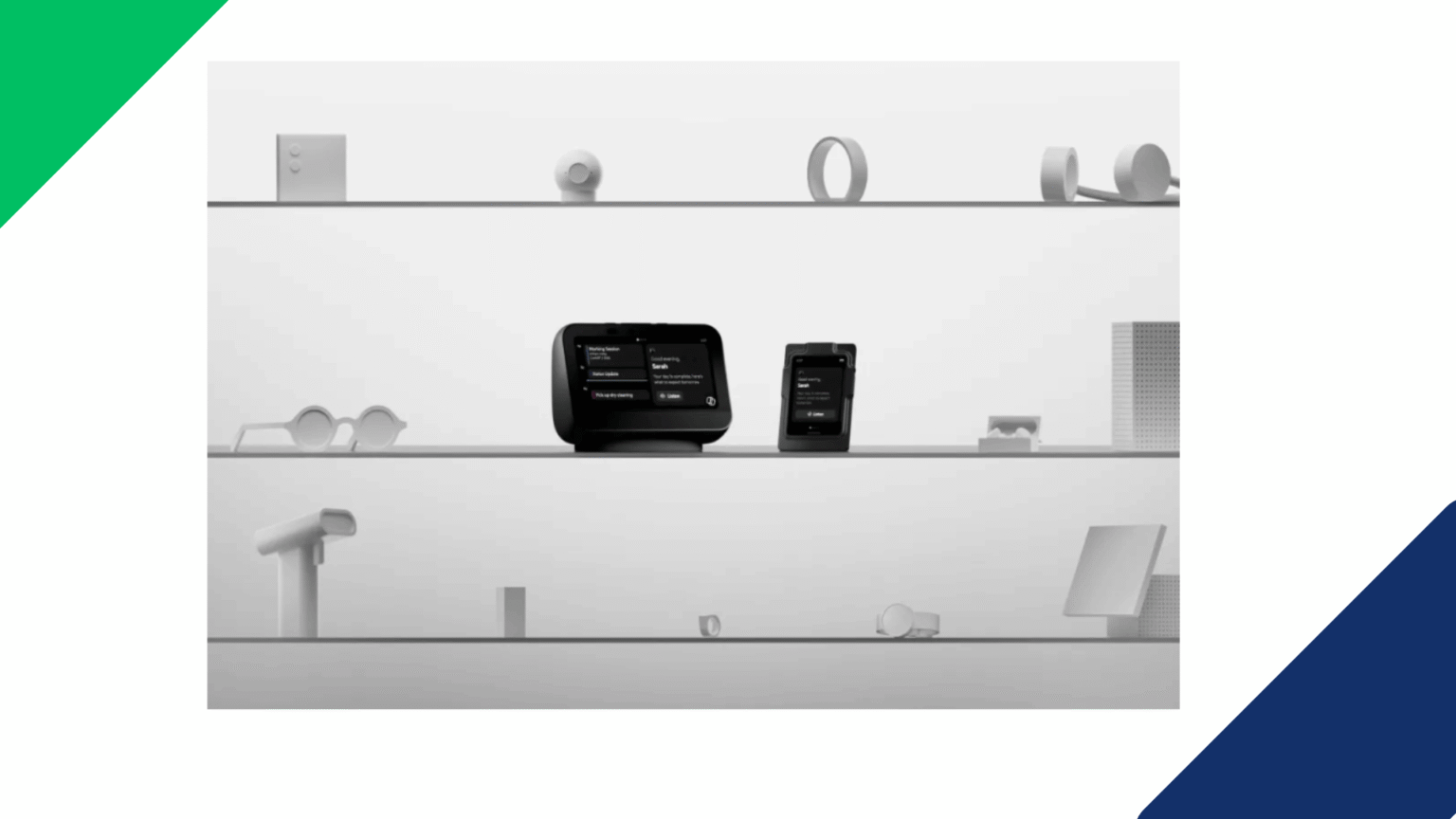
At the keynote address, Microsoft demonstrated two concept devices running on Project Solara. The first, dubbed Desk Concept, is similar to a smart display and works like the Amazon Echo Show. The device features facial recognition technology, allowing it to automatically log in to users and deliver personalized services and assistance powered by artificial intelligence.
The second prototype is called Badge Concept and it is a wearable device for work and enterprise setting. It looks like a badge for employees and features an AI interaction, fingerprint scanner, and camera. Microsoft showed how an AI agent could be activated with a single click, the conversations could be recorded and then instantly transcribed. The camera on the wearable can also let AI systems understand and react to the people’s environment in real-time.
Microsoft isn’t currently thinking about releasing either prototype as a commercial device, but they’re prototypes for hardware makers. The company envisions that such ideas will serve as the foundation for its future enabling partners to build their own AI-driven solutions with Project Solara.
“It’s very flexible and adaptable, and we’ve designed it so that it can be presented in a number of different form factors,” said Microsoft Fellow Steven Bathiche. This adaptability may enable manufacturers to develop a wide range of new product categories, such as smart displays, wearable assistants, and more.
The most interesting thing about Project Solara is that Microsoft is basing it on an Android system instead of Windows. The company has chosen to use the Microsoft Device Ecosystem Platform, a modified version of the Android operating system, to power the lower-powered and smaller gadgets. Meanwhile, the platform continues to offer business management, security and enterprise controls that are expected by businesses from Microsoft products.
This is a strategic decision and part of the trend in the industry. In this AI-integrated era, businesses are looking for lightweight operating systems that will enable them to deliver always-on AI experiences without the power consumption of conventional PCs.
Project Solara also marks Microsoft’s increasing bid for the AI hardware sector. The company is preparing for a future in which AI agents will be a key mode of interaction between humans and technology. Users will no longer just use smartphones, laptops, or tablets—there will be dedicated AI devices that understand context, respond to voice commands, and have the ability to handle complex tasks on their own.
A number of big companies have already shown interest in the platform. Companies like AccuWeather, Best Buy, CVS Health and Target are getting ready for pilot programs that will use Project Solara-powered hardware, Microsoft said. Such collaborations would enable effective AI-first device use in various sectors like retail, health and weather services, and enterprise productivity.
The launch of Project Solara comes amid growing competition in the AI hardware sector. Google and Meta are among the tech giants already moving forward with their own AI-focused devices, and OpenAI is said to be testing out consumer hardware devices in partnership with the famed designer Jony Ive. With the ongoing advancement of AI, experts are predicting a pivotal role for specialized hardware in creating seamless and intelligent user experiences.
While Project Solara is still in an early stage, the announcement is just a sign of Microsoft’s commitment to being a big player in the new category. The company’s use of AI agents, dedicated hardware, and a purpose-built operating system is setting the stage for the future of AI-powered devices becoming an integral part of daily life.
As the quest for the next generation of computers gathers pace, Project Solara could be an early indication of how consumers will interact with computers in an increasingly artificial environment.