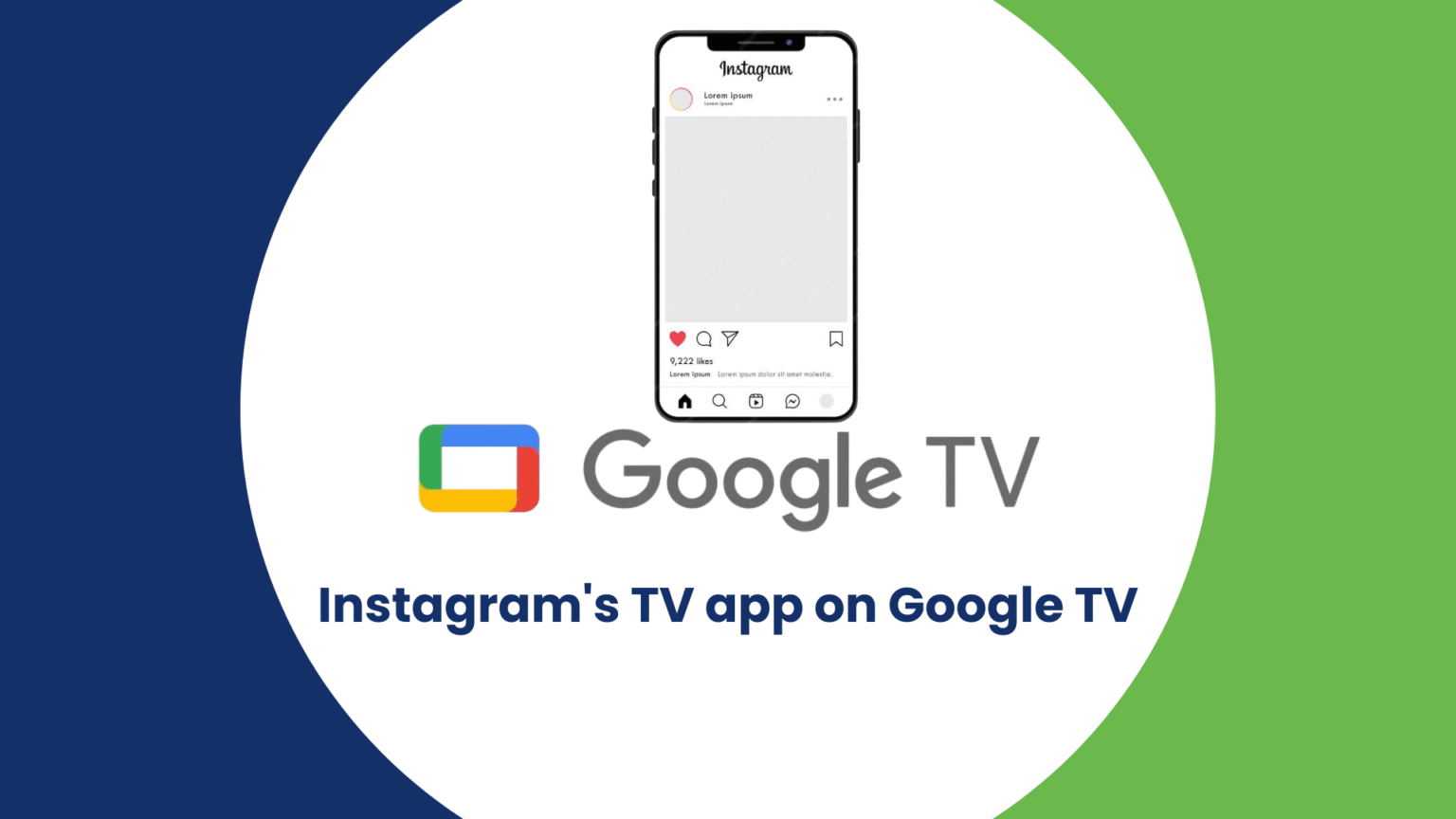

Instagram is expanding its smartphone-based operations to TV devices, specifically Google TV in the United States. This comes just two months after the launch of the TV app on Amazon Fire TV, and it’s a move that suggests the company has expansion plans to bring social media content to the living room experience.
Initially, Instagram on TV was meant to make the short-form video feature, Reels, popular on mobile platforms, available on other screens. By the new rollout on Google TV devices, it is now possible to not only watch Reels but browse their feed of posts on their television as well. This growth is part of a tendency in which social media applications are trying to enter the traditional TV watching behaviors.
Competition is one of the reasons behind this launch. Instagram is becoming even more aggressive in competing with YouTube which now has the leading position in the sphere of TV streaming. The use of video on large screens has always been a favorite among users who prefer to watch the content through YouTube, due to its vast library and well-developed TV apps. Instagram intends to grab user focus during their free time by introducing the Reels to TV and making it a habit of sitting on the couch and scrolling through the content just like it would be possible to flick through television channels.
Simultaneously, Instagram is also monitoring TikTok that already has its own TV application. The rivalry between these platforms is stiff with them all attempting to gain a footing in the daily entertainment habit of users not only on the mobile platforms but on a variety of screens.
Instagram TV is a personalized application. It relies on the information of a user on their primary Instagram account and suggests Reels basing on their interests, preferred creators, and previous interactions. This is a guarantee that the information on the TV screen is familiar and captivating although the format has changed to a big screen compared to a handheld device.
To simplify the navigation, the Reels are grouped into various categories, i.e., comedy, music, and lifestyle. Such classification enables users to view the content in a more organized manner resembling watching channels on the traditional television. The user does not need to scroll endlessly, instead, he can just choose a category and the app will play him a curated stream of videos.
There is also another interesting characteristic of autoplay. Reels play sequentially automatically, hence, no manual scrolling is required. The design is a reflection of the passive viewing where content flows continuously and does not need intermittent interaction as is the case with the traditional TV. It is a tactical change that would match the consumption behavior of people on bigger screens.
Although the app is intended to be viewed on the TV, it still has some of the most popular features of interactivity that are familiar to Instagram users. Through the interface of the TV, the viewers are able to like videos as well as comment and share content. That social side of Instagram is not lost in spite of the fact that one can access the platform through a TV.
The application is also compatible with pairing the accounts so that users can use their TV application with an existing Instagram account. Five accounts can be added in one household and therefore is convenient to families or shared living. Alternatively, the users have the option to create another account that is exclusive to TV viewing which can be interesting to those wishing to have a more curated or calming experience.
This move to TV channels is a sign of a larger digital content consumption trend. The social media is no longer limited to the personal gadgets as it is slowly becoming an experience to be shared and viewed together. Instagram is trying to reinvent the short-form consumption experience by venturing into the TV ecosystem.
There are however challenges associated with the move. It will not be easy to compete with the huge volume of content offered by YouTube and its established position on smart TVs. Also, making mobile-first material appropriate to a bigger screen should be carefully designed, so that it is interesting to look at and not to appear out of context.
Nevertheless, the strategy of Instagram can be seen as a vivid vision: it is a one-stop entertainment platform that covers devices. The company is not merely increasing its exposure by taking Reels and feed browsing to the TV, it is transforming how social media can be incorporated into people’s daily lives.
To sum up, the introduction of Instagram to TV through Google TV is a significant move towards the development of the platform. It shows that the social media firms are already seeking the next battleground of consumer interaction in the living room. The fight to find a bigger share of screen time is no longer just a competition between apps such as YouTube and Tik Tok, and now it is fighting to capture the largest screen in a house.