

Pope Leo XIV Calls for a Human-Centered Approach to AI in Landmark Vatican Document
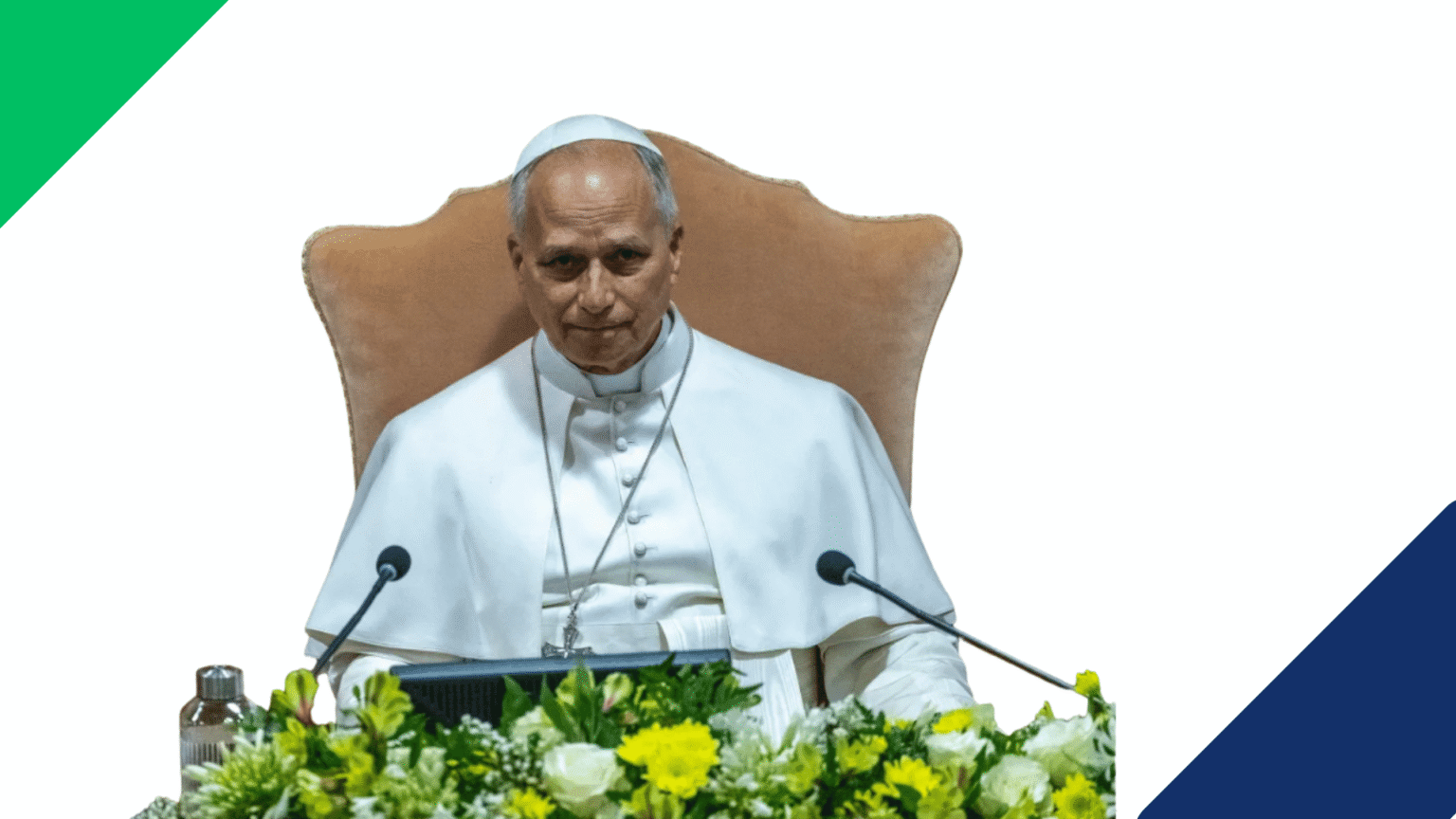
The rise of AI is transforming industries, economies, and daily life, and Pope Leo XIV has raised a strong voice for the human spirit to stay at the forefront of technological advancements. In his first significant papal message, Magnifica Humanitas, the pope explains how we should engage with the AI Age while maintaining human dignity, freedom and moral responsibility.
The 42,000-word document, published as a papal encyclical, tackles many of the most pressing issues of artificial intelligence, ranging from the effects on the job, war, education, governance, and social equality. In contrast, Pope Leo does not condemn the use of technology, but instead calls for a balanced and ethical use that will ensure that artificial intelligence is used for the benefit of humankind rather than against it.
A Call to Remain “Profoundly Human”
The message of Magnifica Humanitas is simple, yet powerful: technological innovation should never be at the expense of human values. Pope Leo expresses a concern that society becomes too reliant on systems that are optimized for efficiency, productivity and profit and ignore the unique qualities of human existence.
The pope refers to the “Babel syndrome,” inspired by the biblical tale of the Tower of Babel. The modern-day Babel is the result of societies’ excessive trust in technology, says the encyclical, because they feel that all human experiences can be turned into data, algorithms and measurable performance.
The pope says that this way of thinking can create a dangerous uniformity, tolerance for differences is wiped out, and the economy is valued over human welfare, leaving vulnerable communities behind.
Talk about the effects of AI in the workplace
The document highlights the increasing role of AI in the job market as one of its key issues. With automation taking over in many industries, many workers are afraid that their job will be taken over by machines and that they may not have a place to work in the future.
Pope Leo recognizes the promise of AI to boost productivity but warns that technological advances should not be a threat to workers. He urges governments, businesses and institutions to consider social factors in their automation implementation. This means to offer retraining programs, to help workers to transition to a different job and to value them during technological change.
The encyclical states that the effectiveness of the economy is not the sole criterion for technology use. Rather, decision makers ought to take into account the social ramifications of automation and focus on human welfare as well as innovation.
Explore the ethical dimensions of using AI in warfare.Discuss the ethical implications of AI in warfare.
One also of the important areas highlighted in the document is the use of AI in military application. The pope, however, shows grave concern regarding the human-made weapons systems and AI-enabled warfare, pointing out significant moral issues when deciding life and death with machinery.
Pope Leo says that “The use of lethal force must be under meaningful human control. He believes that no matter how sophisticated the machines might be, they cannot have conscience or moral judgment, or have any responsibility like humans.
The encyclial also urges the international community to engage in dialogue and create legal frameworks to set boundaries on the use of AI in the military world, preventing technology from surpassing ethics.
Ensuring Education and Future Generations is protected
The Vatican also has concerns about the rapid integration of AI into education and digital life. Pope Leo emphasizes the importance of preparing children, students and teachers to interact with AI technologies in a responsible, thoughtful and ethical manner.
The document is not a condemning report, but an invitation to learn and teach new skills and ethical awareness in addition to technological literacy. The message is to help future generations know the opportunities and the constraints of AI.
Education, the pope says, must continue to develop human imagination, compassion and moral judgment; things which a machine can’t do.
The transparency, accountability and sustainability standards must be upheld.
The decisions that AI systems are now making in hiring, financing, healthcare and public opportunity are increasingly effected by them, and Pope Leo is asking for more transparency and accountability. People should be told how decisions that impact their lives are made, especially in the case of algorithms.
The encyclial also deals with the environmental consequences of artificial intelligence. The energy consumption issues associated with training and running advanced AI models must be addressed, as they are significant concerns regarding sustainability. Pope Leo promotes the creation of new technologies that are more environmentally responsible, without compromising innovation and care of the planet.
A new chapter in the Church’s response to technology.
The Catholic Church’s history is rich with examples of a longstanding fascination with and engagement with technology, including AI.Pope Leo’s attention on AI is part of a longstanding Catholic Church trend toward fascination with and engagement with technology. His papal name is in honor of Pope Leo XIII, who dealt with the social implications of the Industrial Revolution over a hundred years ago.
As the world was revolutionized by industrialization in the 19th century, AI is revolutionizing the contemporary world. Pope Leo wants to offer moral guidance in this time of change through the agency of Magnifica Humanitas.
The document is timely, coming at a time when the issuance of regulations and guidelines for AI companies, governments, researchers, and civil society groups on emerging technologies is being discussed. The pope’s focus is on human dignity, ethical responsibility, and social justice, which goes beyond the realms of technical ability and economic considerations.
Technology for people.Technology for human services.
But most importantly, Magnifica Humanitas is no anti-technology document. Pope Leo sees the promise of AI to enhance life, promote knowledge and address complex challenges. But he argues that the innovative process should be directed by human wisdom and morality.
As the encyclical ends, the question of society is not “should you use technology” but “how can technology not control you. True progress is not going to be determined by the power of machines, but by our capacity to be deeply human in a highly digital world, Pope Leo said.