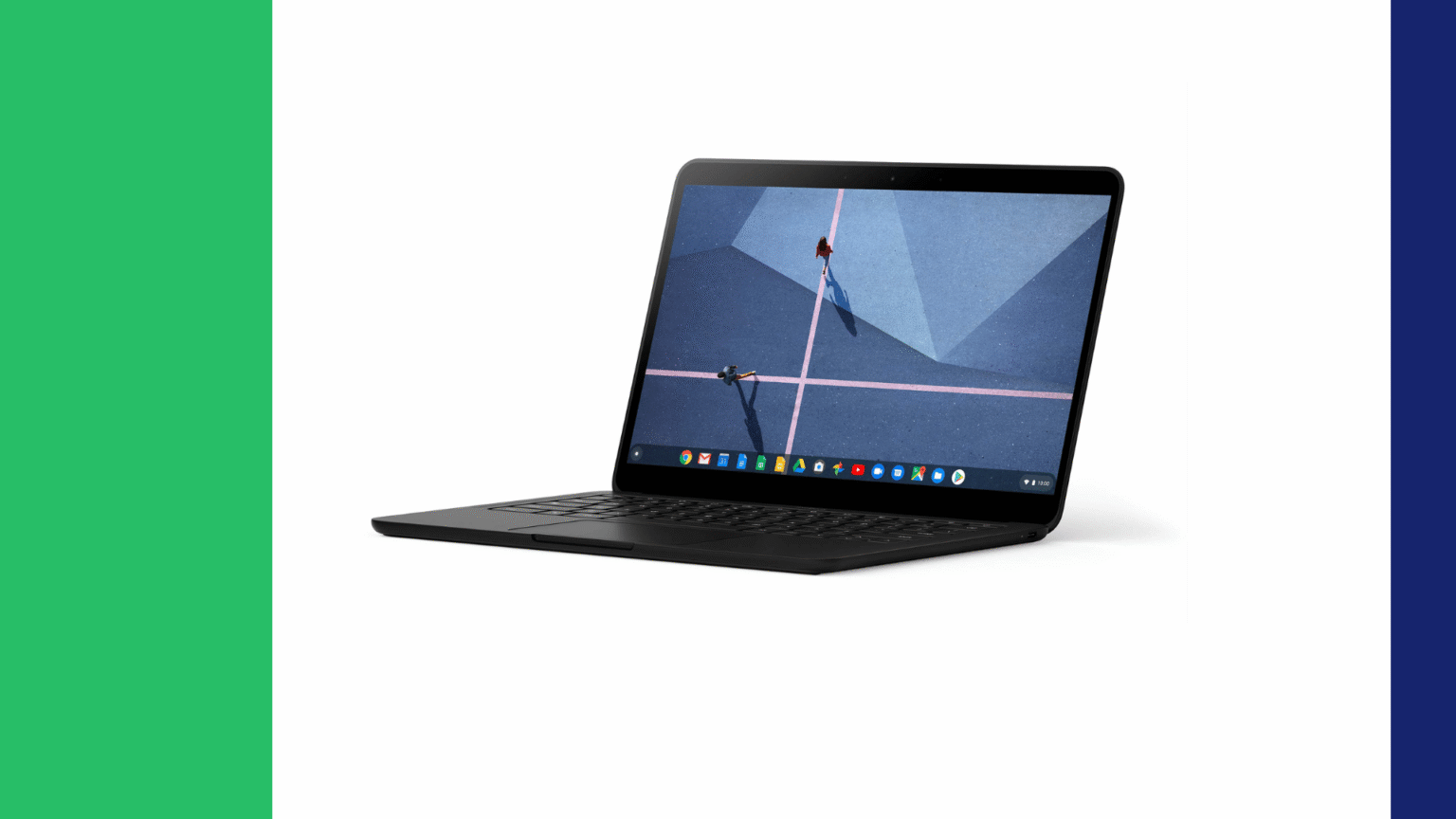


Google has announced its radical new plans for personal computing in the form of the Googlebook, a new generation of laptop devices where artificial intelligence will be at the core of the user experience. The Googlebook is designed to be the next generation of the popular Chromebook, offering enhanced Gemini AI capabilities, Android-like features, and seamless device integration, thereby promoting a smarter and more connected computing experience.
The move is significant in Google’s ongoing efforts to integrate AI into its hardware and software operations. With the competition between tech giants, such as Apple and Microsoft, growing, Google is betting big on AI-powered experiences to shape the future of personal computing. The preview gives a look into how Google would like to see laptops develop in the AI age, but the first Googlebook devices aren’t expected to be available until later this year.
A New Chapter Beyond Chromebooks
Chromebooks are Google’s cloud-based lightweight alternative to traditional laptops, and have been in use for over 10 years. Educational, business and budget-conscious consumer markets were the key drivers of Chromebooks, which were built around simplicity, security and Web-based productivity. But with artificial intelligence becoming a more common part of everyday processes, Google is looking to overcome the shortcomings of cloud-based services.
The Googlebook is this next step. The platform’s capabilities extend beyond mere application running and online service delivery; it also helps users with intelligent AI features using Google’s cutting-edge family of AI models, Gemini.
Googlebook is not just an upgrade to hardware, but a new computing experience with AI assistance, personalized workflows, and device integration, the company says.
Meet the Magic Pointer
The most unique thing that was announced about the Googlebook is the Magic Pointer. The innovative feature enables users to easily access Gemini with just a move or “wiggle” of their cursor.
Users can call upon Gemini seamlessly while working, eliminating the need for a separate app or entering commands in a specialized AI interaction box. The feature will provide AI support at any time without hindering productivity or context switching.
Google says that removing the “friction” between users and AI will make them more likely to use it, and then to make it a part of their daily lives as they write, research, organize, create content, and communicate.
The Magic Pointer is part of a wider movement in the computer industry to make AI more omnipresent and integrated into the OS itself.
More Advanced Android Integration than ever before
One of the greatest advancements in the Googlebook ecosystem would be its increased integration of Android apps as well as services.
Users will be able to run Android applications directly on their laptops, as well as access applications on their Android phones. This results in a more seamless mobile-to-desktop experience and lets users seamlessly switch between devices.
Googlebooks will have direct access to files on attached Android devices, in addition to access to its apps. Content can be accessed without the need for manual transfers or third-party syncing tools, including documents, photos, videos, and more.
This closer integration has been a long-term objective of Google, which has long aspired to build a seamless ecosystem for smartphones, tablets, laptops, and cloud. Google aims to provide a more homogenous user experience without barriers between devices, which is typically something the ecosystem leaders are known for.
Several Hardware Partners Onboard Ecosystem
Google isn’t making its own computers; it’s still teaming up with top computer makers, unlike some rivals who do just that.
Major technology companies such as Acer, Asus, Dell, HP and Lenovo will be manufacturing the first wave of Googlebook devices. The cooperation will provide consumers with a variety of form factor, specifications and pricing options.
Googlebook devices are supposed to cater to various requirements and preferences, ranging from students’ ultraportable laptops to high-end productivity computers for professionals.
By leveraging the multi-vendor model, Chromebooks have become a successful business for Google and also make it easier for Google to quickly grow adoption in various segments without having to carry the burden of hardware production.
A Mystery of the Glowbar
There’s one cool thing about the Googlebook announcement that is new: Glowbar.
Google says it will be a feature on every Googlebook device and is both functional and pretty. But the company has yet to release the details of how the Glowbar will work or what features it will offer.
According to a few industry analysts, the Glowbar might be used for various purposes such as visual indicators, AI activity cues, charging statuses, or interaction cues related to Gemini functionality.
Google hasn’t provided many details, creating some intrigue about the feature that could be one of the hallmarks of what’s unique about Googlebooks compared to regular laptops.
The use of AI in the user experience is the focus this time
The Googlebook announcement dovetails nicely with Google’s AI-first computing strategy. The company is not thinking of AI as an add-on, but rather as an integral part of the experience.
Functionalities for Gemini integration are likely to be rolled out in productivity applications, content creation processes, search capabilities, communication platforms, and system administration functions. The built-in AI features may allow users to summarize documents, draft emails, organize schedules, generate content, answer questions, and automate repetitive tasks.
This is similar to the general industry trend of AI assistants getting better and becoming proactive digital agents that can comprehend context and take meaningful actions on behalf of users.
Security & Intelligent Automation
In addition to the Googlebook preview, Google also revealed a number of Android related features including automations and security.
The company is increasing its activities to support intelligent agents, which can also communicate with applications and carry out tasks directly on behalf of a user. Such capabilities could one day be adopted by Googlebook devices, enabling an AI system to process workflows across various connected devices, applications, and cloud services.
Users’ data security is also being reinforced with enhanced security features, which will allow for more advanced AI functionality. With AI having even more access to personal data and digital activity, safeguarding trust and privacy is more important than ever to technology providers.
How students will be utilizing their Chromebooks in the future
With Googlebook coming along there are naturally some questions about what the future holds for the Chromebooks. Google has not indicated it would be phasing out the Chromebook brand, but the company implies that many of the current Chromebooks could be upgraded to the new Googlebook experience with software.
Compatibility and migration information is likely to come to light nearer the release. Google would be able to keep its current user base on Chromebooks and gradually roll out new enhancements powered by AI to millions of devices currently in use.
Conclusion
The Googlebook is Google’s biggest laptop experiment so far to date a new laptop experience for the AI age. Google’s approach is to build a platform that revolves around intelligent assistance, as opposed to the traditional computing paradigm, using the Gemini-powered intelligence, deep integration with Android, seamless device connectivity, innovative features such as the Magic Pointer, and big hardware manufacturer backer support.
While a lot more still needs to be disclosed before the official release later this year, one thing is certain: Google is saying the future of personal computing will be fueled by AI. The Googlebook could be a major leap in the development of AI-powered laptops and integrated digital environments, especially as competitors like Apple, Microsoft, and new AI platforms like Google’s own DeepMind get into the fray.