

Since the beginning of the AI revolution, the unethical exploitation of images, artworks, voices, characters and intellectual property has become more and more pressing. To address these concerns, a group of top-tier Hollywood celebrities, movie makers, and industry groups have backed a new framework that will provide more control over the use of their content by AI systems.
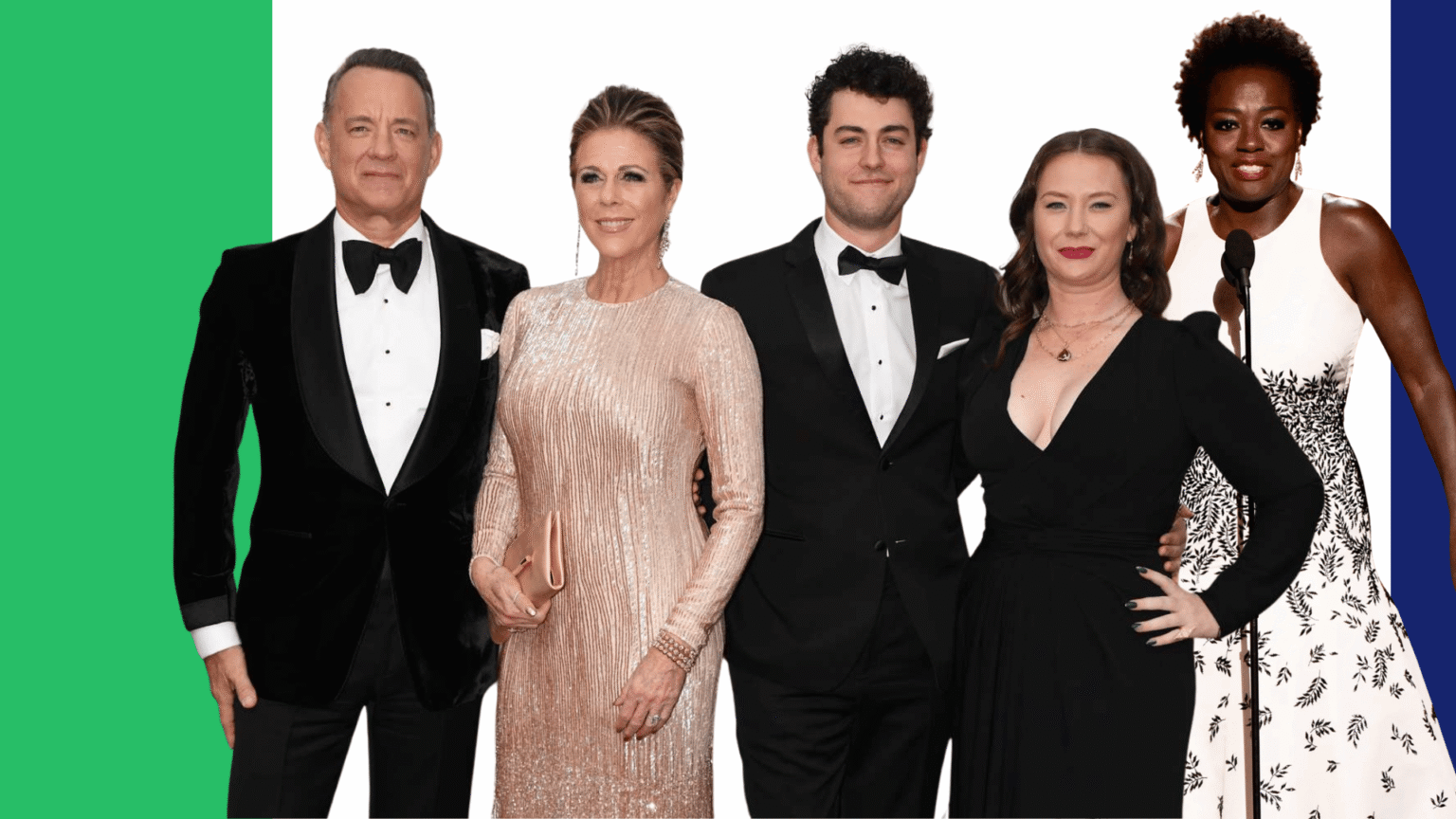
With the launch of the Human Consent Standard, creators, performers, and everyday people can now unambiguously articulate whether AI firms can utilize their work to train, analyze, or create content. Some of the entertainment world’s most esteemed celebrities have rallied to the cause, such as George Clooney, Tom Hanks, Meryl Streep, Viola Davis, Kristen Stewart and Cate Blanchett.
It marks one of the most serious attempts to date to tackle the rising conflict between AI development and creator rights for content that’s being used to develop increasingly powerful AI tools.
AI licensing is a new way of thinking
The Human Consent Standard is based on the Really Simple Licensing (RSL) Standard, which was launched in 2025 to provide a way for websites to convey their licensing preferences to AI companies and automated content crawlers.
The Human Consent Standard takes the original RSL framework to a much deeper level, including not just website content and specific online tools, but a human consent standard. Instead of being page-centric or file-centric, the new system is applicable to a wide range of IP assets, such as creative works, personal identities, voices, visual likenesses, fictional characters, trademarks and brand assets.
This distinction matters because AI systems are increasingly gathering data from a diverse array of sources, reproduce or imitate things associated with identifiable people and creative works. Human Consent Standard aims to establish a single and consistent process for rights-holders to make clear their wishes on how AI should be applied.
There are a number of licensing possibilities under the framework for individuals and organizations. They might allow complete access to their content for AI tools, allow access with certain limitations, refuse to allow access without explicit permission, or block access altogether.
The system works as follows
The Human Consent Standard will function in a way that is technically accessible and can be scaled for the Internet.
Like current web protocols, AI developers and automation bots can find out licensing preferences using information that’s disclosed on websites. Such declarations may be accessed via a site’s robots.txt file, which is already a well recognized method for providing search engines and automated systems with information on acceptable access methods.
The Human Consent Standard, however, is more than just the typical website-level permissions. Rather than just to content at a specific Internet address, it applies to the underlying rights of a work, identity, character, voice or brand, regardless of where it’s found.
For this, a separate registry will be launched in June. The registry will enable creators or rights holders to confirm their rights and grant permission for use of their IP and personal characteristics.
These preferences will then be converted to machine-readable signals, which can be automatically read by participating AI systems. The aim is to develop a common vocabulary that helps to communicate consent clearly and consistently across the digital ecosystem.
Rising concerns with AI and Creative Rights
The Human Consent Standard is released at a time when there is growing discussion on the connection between AI development and intellectual property rights.
Generative AI models are built on a massive amount of text, images, audio recordings, videos and other digital content gathered from all over the web. These models are now becoming adept at creating realistic content, leading to worry that creators’ work, voices, and identities might be used in AI systems without their awareness or permission.
But actors, musicians, writers, artists and other creative types are especially vocal about these issues. Many are concerned that AI-generated content will mimic their style, look, or performances, with little or no credit or payment going to the authors.
It’s not just about celebrities. Regular people can also encounter difficulties dealing with AI-generated voice and photo duplicates, personal material, or online personas. Backers of the Human Consent Standard believe it should be used by everyone, not just high-profile public figures.
Industry Support and Advocacy
It is backed by key figures in the entertainment and creative industries. The supporters of the effort include one of the world’s top talent representation companies, Creative Artists Agency, and the Music Artists Coalition.
A unified consent mechanism, they argue, could help mitigate the legal uncertainties and promote more responsible AI development. Rights holders and AI developers could benefit from more transparency, as it would clearly define what can and can’t be used and under what conditions.
Another key point made by supporters is that the framework is designed to support collaboration, not stifle innovation. The system could be used by AI companies to identify content owners and streamline permission negotiations, thereby ensuring legal licensing.
Current Activities to Preserve Personal Images
The Human Consent Standard is based on a new wave of creators taking proactive measures to safeguard their intellectual property and personal identities.
Certain well-known celebrities have already sought remedies by registering trademarks and other means. These measures aim at providing more effective regulation of the commercial use of names, voices, images and identifiable features.
But traditional intellectual property tools are not tailored to the age of Generative AI. The scope of trademark rights, copyrights, and publicity rights, can be different in countries, and can fail to cover the full scope of the issues involved in machine learning systems trained on vast amounts of data.
The Human Consent Standard is an effort to augment existing law with a realistic and technologically feasible solution that will work at internet scale.
Innovation and Consent in Balance
With the advent of AI, a complex policy dilemma has arisen: balancing technological innovation with safeguarding creator and individual rights.
There are many who suggest consent will be one of the key topics of the AI era. Mechanisms for obtaining and honouring permission may come to play a key role in responsible AI governance as AI systems are able to create more realistic text, images, voices, videos and virtual personalities.
The Human Consent Standard is a step by these companies to help solve this problem, and it is based on voluntary industry cooperation as opposed to only legislation or litigation. Supporters are aiming to establish common technical standards to create practical ways for AI companies to maintain respect for creator preferences while continuing to innovate.
Looking Ahead
The Human Consent Standard is a significant step toward the evolving debate on AI ethics, IP rights and digital consent. The campaign aims to ensure that creators, performers, brands and people are better equipped with control over the way their work and identities are used in the AI era, with the help of top celebrities and industry groups.
Its success will rely heavily on whether developers of AI systems decide to include these signals and honor rights holders’ permissions as the accompanying registry rolls out and more people adopt AI technology.
The Human Consent Standard calls attention to the fact that, whatever the rate of adoption, transparency, consent, and creators’ control will be growing more salient as AI technologies become more embedded in society. As content becomes more easily replicable, manipulatable, and shareable on a scale never seen before in the digital age, clear guidelines about permission could be vital to sustaining trust between creators, technology companies and the public.