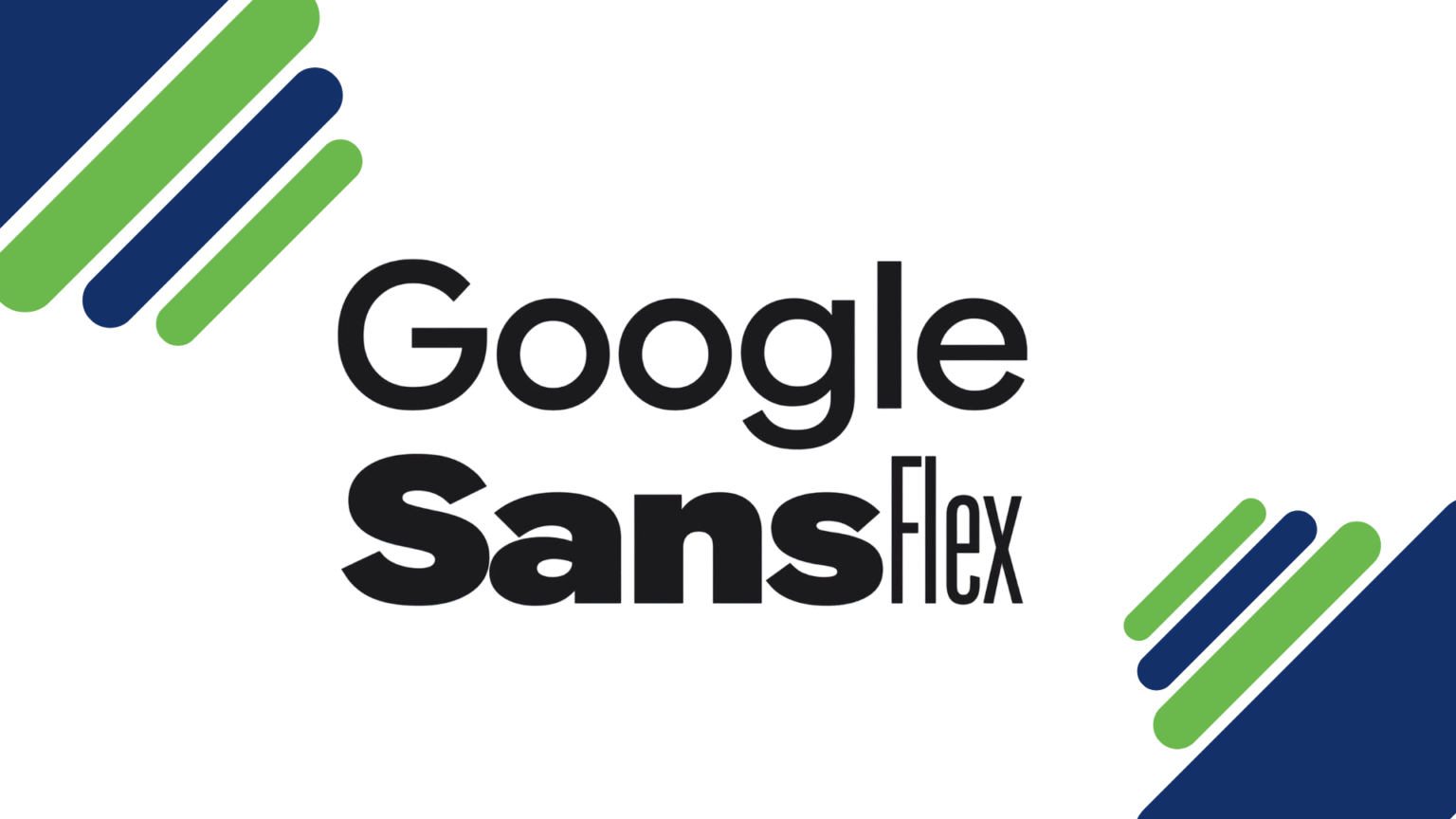


Flex those creative muscles—because typography just got a whole lot more exciting. With the release of Google Sans Flex under the Open Font License, designers, developers, and creators now have the opportunity to experiment with one of the most recognizable modern typefaces in the world. Previously limited to Google’s own ecosystem, this versatile font is now freely available, opening the door to a new wave of creative expression.
At its core, Google Sans Flex is not just another font—it is a variable font built for adaptability. Unlike traditional static fonts that come in fixed weights and styles, this font introduces a dynamic system where letterforms can subtly shift and adjust depending on context. Whether it’s screen size, resolution, or user interaction, the font is designed to respond intelligently. This “shape-shifting” capability allows for more fluid and responsive typography, especially in digital environments where flexibility is key.
The release of Google Sans Flex through Google Fonts makes it accessible to a global audience. Designers can now easily download and integrate it into websites, mobile applications, branding projects, and more. This move aligns with Google’s long-standing commitment to open design and accessibility, empowering creators to build better user experiences without the barrier of expensive licensing.
One of the most interesting aspects of Google Sans Flex is its deep connection with Material 3, particularly the expressive and adaptive design philosophy introduced in recent updates. The font serves as the foundation for the “Rounded” variant used in Material 3 Expressive, which focuses on more human-centered and emotionally engaging interfaces. By making the base font publicly available, Google is essentially inviting designers to explore and extend the same design language that powers its own products.
If you’ve ever used a Google Pixel device, chances are you’ve already experienced Google Sans Flex in action. It appears in various parts of the interface, contributing to the clean, modern, and approachable aesthetic that Pixel devices are known for. The font’s ability to maintain readability while adapting to different contexts makes it especially valuable in user interface design, where clarity and consistency are critical.
What truly sets Google Sans Flex apart is its variable nature. Designers can fine-tune aspects like weight, width, and optical size to create a customized typographic experience. This level of control allows for greater precision in design, enabling typography to better match the tone and purpose of a project. For instance, a bold and wide variation might be perfect for headlines, while a lighter and narrower version could enhance readability in body text. All of this can be achieved within a single font file, reducing the need for multiple font downloads and improving performance.
The Open Font License plays a crucial role in this release. By choosing this licensing model, Google ensures that the font can be used, modified, and distributed freely. This is particularly beneficial for startups, independent designers, and developers who may not have the budget for premium fonts. It also encourages innovation, as creators are free to experiment and even build upon the font to suit their specific needs.
Early adoption of Google Sans Flex is already underway. Applications like Inware have begun integrating the font, showcasing its potential in real-world use cases. While it may take some time for widespread adoption, the initial response suggests that this font could quickly become a favorite among designers who value flexibility and modern aesthetics.
From a branding perspective, Google Sans Flex offers a unique opportunity to create distinctive visual identities. Its adaptability allows brands to maintain consistency across different platforms while still tailoring the typography to specific contexts. This is particularly important in today’s multi-device world, where users interact with content on everything from smartphones to large desktop screens.
Moreover, the release of this font reflects a broader trend in design—one that prioritizes responsiveness, personalization, and accessibility. As digital experiences continue to evolve, static design elements are gradually being replaced by more dynamic and adaptive solutions. Google Sans Flex fits perfectly into this paradigm, offering a tool that is both powerful and easy to use.
For developers, the benefits extend beyond aesthetics. Variable fonts like Google Sans Flex can improve website performance by reducing the number of font files needed. Instead of loading multiple static fonts, a single variable font can handle a wide range of styles. This not only speeds up load times but also enhances the overall user experience.
In conclusion, the release of Google Sans Flex marks a significant moment in the world of typography. By making this advanced, flexible font freely available, Google is empowering creators to push the boundaries of design. Whether you’re building a website, designing an app, or crafting a brand identity, Google Sans Flex provides the tools you need to create something truly unique. The question is no longer whether you can use it—but how you will make it your own.