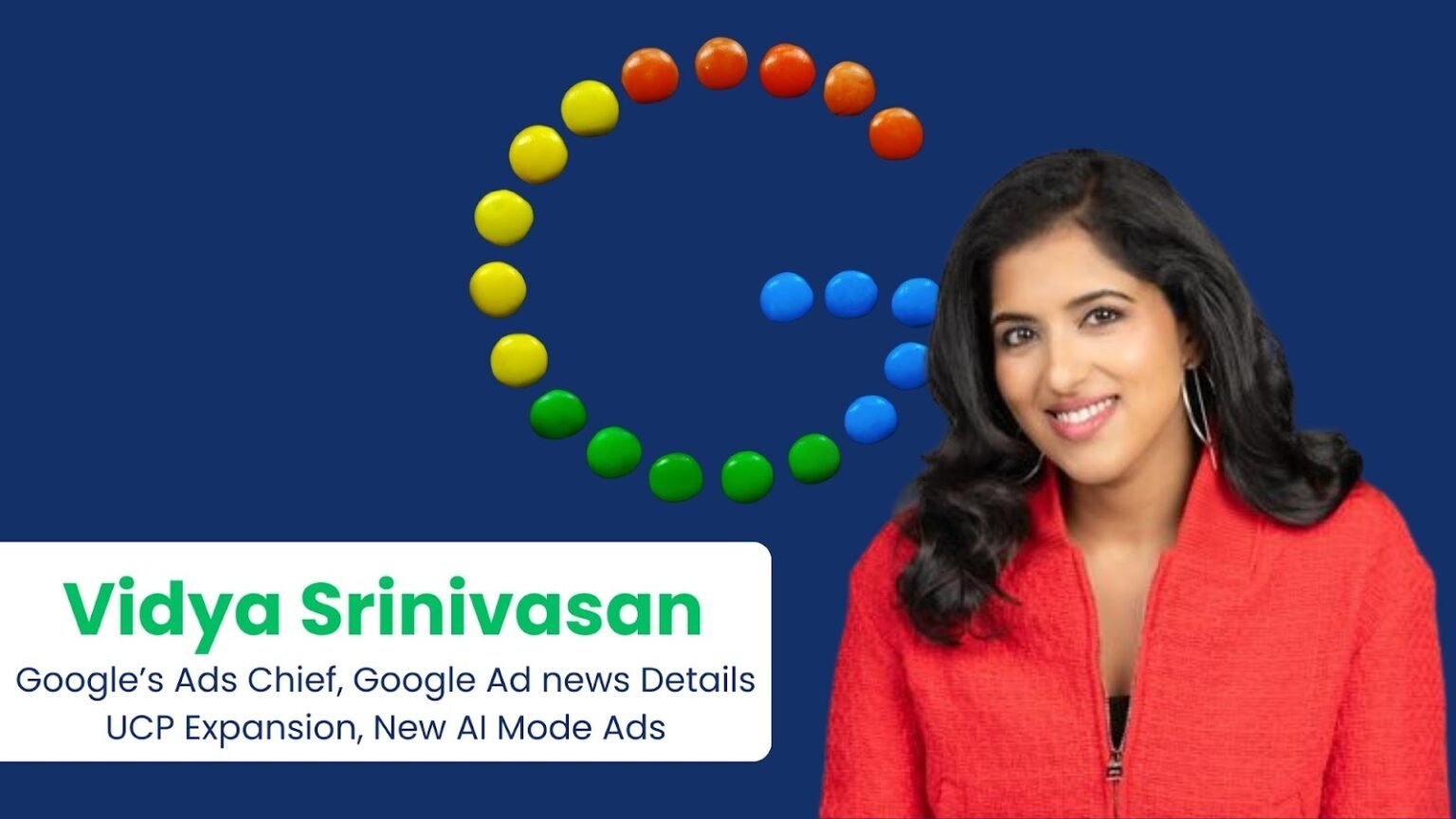

Google is preparing for a major shift in how advertising, commerce, and artificial intelligence work together. In her third annual industry letter, Vidya Srinivasan, VP of Ads and Commerce at Google, shared a bold roadmap for 2026. The update highlights the expansion of the Universal Commerce Protocol (UCP), new AI-powered ad formats inside AI Mode, direct offers for shoppers, and advanced creator-brand matching tools across Search, YouTube, and Gemini.
The letter brings together several announcements previewed earlier at National Retail Federation (NRF 2026) and discussed in Google’s Q4 2025 earnings call. Now, the broader strategy is becoming clear: Google is building an ecosystem where AI agents, shopping, payments, creators, and advertisers operate in one connected environment.
Universal Commerce Protocol (UCP)
One of the biggest updates is the confirmation that Universal Commerce Protocol (UCP) is now powering shopper search and purchase within AI mode in Gemini. Customers can purchase items directly from major retailers.
When Google first announced UCP at NRF, it revealed that the protocol was developed in partnership with Shopify and endorsed by more than 20 companies. Since launch, Google says it has received interest from hundreds of top tech companies, payment partners, and retailers.
UCP acts as a connective layer between shopping systems, payment infrastructure, and AI agents. While it currently focuses on retail, Google believes its potential goes far beyond ecommerce. The company positions UCP as the foundation for “agentic commerce,” where AI doesn’t just recommend products but can complete transactions intelligently on behalf of users.
New AI Mode Ad Formats
Another major announcement involves AI-powered ad formats inside Google’s AI Mode. Google is testing a new ad format that highlights retailers offering products relevant to a user’s query. These placements are clearly marked as sponsored but are designed to blend naturally within AI-generated responses.
The goal is to help shoppers easily discover convenient purchase options during the consideration phase of their buying journey. Rather than interrupting the user experience, these ads aim to feel like helpful suggestions integrated into AI answers.
Google is also expanding its “Direct Offers” feature, first introduced at NRF. This tool allows businesses to share special deals directly within AI Mode. Initially focused on price-based promotions, Google now plans to extend Direct Offers to include loyalty benefits, exclusive perks, and product bundles. This shift signals a move from simple discounting toward more strategic customer engagement.
For advertisers, this means greater flexibility in how they present value to consumers not just through price cuts, but through membership rewards and curated experiences.
Creator-Brand Matching Powered by AI
The letter also highlights YouTube’s growing importance in commerce. Srinivasan cited a Google/Kantar study of 2,160 weekly video viewers, describing YouTube creators as “today’s most trusted tastemakers.”
YouTube’s CEO, Neal Mohan, recently emphasized similar priorities in his own annual update, focusing on the intersection of creators and commerce.
Google is now introducing AI-powered tools that match brands with creator communities based on audience insights and content analysis. These tools help advertisers identify the most relevant creators for partnerships, improving authenticity and campaign performance.
The company began sourcing creator partnerships through its “Open Call” feature and plans to expand these capabilities in 2026. For brands, this reduces guesswork. For creators, it opens new monetization pathways aligned with their audience interests.
Growth in AI-Generated Creative Assets
AI is not just transforming ad placement—it’s reshaping creative production as well. Google reported a threefold increase in assets generated through Gemini in 2025. In Q4 alone, AI Max and Performance Max campaigns included nearly 70 million assets.
Google’s video generation tool, Veo 3, is now integrated into Google Ads Asset Studio alongside previously launched creative tools. This allows advertisers to generate video, text, and image assets more efficiently.
The rapid adoption of AI-generated creatives signals a broader industry trend: automation is becoming central to campaign execution. However, it also raises important questions about originality, control, and reporting transparency.
AI Max and Unlocking “Net-New” Search
Srinivasan described AI Max as unlocking “billions of net-new searches” that advertisers previously could not reach. Originally introduced as an expansion tool for Search campaigns, AI Max aims to connect advertisers with emerging queries that traditional keyword targeting might miss.
This suggests Google is redefining how search intent is captured and monetized. Instead of relying solely on static keyword lists,
AI dynamically interprets user needs and matches them with relevant commercial results.
For marketers, this represents both opportunity and uncertainty. While AI Max promises expanded reach, advertisers will likely seek clearer reporting and control over how these new queries are targeted and measured.
Why It Matters
Many of these announcements were shared earlier in pieces UCP at NRF, monetization insights during earnings calls, and AI Mode discussions in product previews. What Srinivasan’s letter does is assemble these parts into a coherent strategic vision.
Google sees 2026 as the year agentic commerce moves from concept to operational reality. UCP forms the infrastructure layer. AI Mode integrates shopping into conversational experiences. Creator partnerships drive influence. And AI-generated creatives accelerate production.
For advertisers, the key updates include:
Expansion of Direct Offers beyond price discounts
Testing AI Mode ad formats in new categories, including travel
Growth in AI-powered creative tools
Google Marketing Live
Srinivasan did not provide specific launch dates for upcoming features. More detailed announcements may arrive at Google Marketing Live, the company’s annual advertising event typically held in the spring.
What is clear, however, is that Google is building a future where AI agents do more than recommend they transact. Advertising becomes integrated into AI conversations. Creators become commerce partners. And protocols like UCP serve as the digital infrastructure behind it all.
As 2026 approaches, advertisers, retailers, and creators alike will need to adapt to a more automated, AI-driven commerce landscape, one where the lines between search, shopping, and advertising continue to blur.